
A home that lasts is rarely the result of one big decision. More often, it comes from many thoughtful choices made before construction begins. Where the house sits, how water moves across the property, which materials are used, how systems are installed, and whether future maintenance is easy all affect how well the home performs over time.
Planning this kind of home means looking past move-in day. It means asking what could become costly or inconvenient five, ten, or twenty years from now. The strongest homes are built with the future in mind from the beginning.
Preparing the Site Before Construction Begins
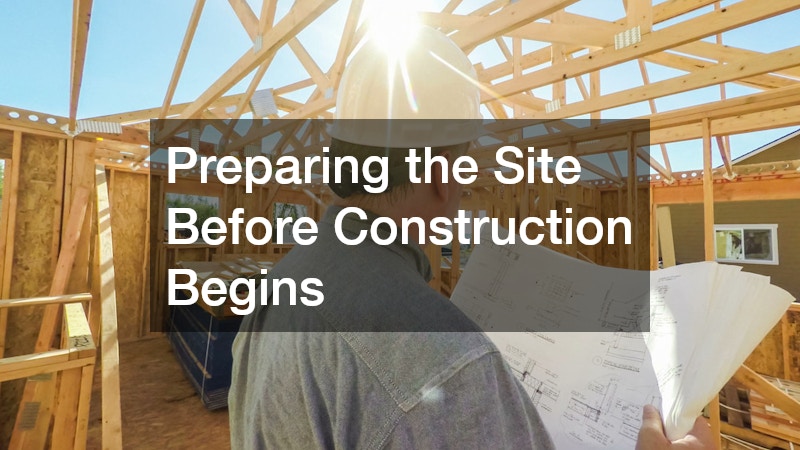
A long-lasting home starts with the land beneath and around it. Before selecting finishes or finalizing the layout, homeowners should understand how the property behaves. Does water collect near the future foundation after heavy rain? Is the soil stable? Are there mature trees with roots near the build area? Is there enough access for future maintenance?
These questions matter because even a well-built house can suffer if the site is not prepared correctly. Poor drainage can lead to foundation movement, basement moisture, damaged landscaping, and repeated repairs. The goal is to guide water away from the structure and avoid hidden trouble spots.
Underground utilities should be planned early. Proper sewer installation should happen with future access in mind, especially before driveways, patios, walkways, or other permanent features are added. If service points are covered by finished surfaces, a future repair can become far more disruptive.
Outdoor design should also support the home’s durability. Thoughtful hardscaping can do more than improve curb appeal. Walkways, retaining walls, patios, and decorative steps can help manage slopes, direct foot traffic, and move water away from the foundation.
Before construction begins, it helps to walk the property after rain, identify low areas, map utility lines and cleanouts, and avoid placing permanent features over areas that may need service. A practical site plan may not be the most exciting part of building a home, but it often determines how well the property holds up over time.
Strengthening the Exterior Shell From the Start
The exterior shell of a home is its first layer of protection. Walls, rooflines, windows, doors, attic spaces, and crawl areas all work together to keep outdoor conditions from damaging the interior. When this shell is weak, problems often appear gradually. A room feels drafty. Paint starts peeling. Utility bills rise. A musty smell develops after storms.
A strong building envelope starts with air sealing, moisture control, and proper insulation planning. Insulation matters, but it cannot perform well if air leaks are ignored. When conditioned air escapes and outdoor air enters, the home becomes harder to heat, cool, and protect from humidity.
Experienced insulation contractors can help homeowners choose the right materials for different areas of the home. They can also explain how air sealing, ventilation, and moisture management should work together. This planning is especially useful before mechanical systems, drywall, and finishes are installed.
In some homes, spray foam insulation may be helpful in attics, rim joists, crawl spaces, and irregular framing cavities because it expands into gaps that are difficult to seal with other materials. Still, it should be selected carefully. The home’s climate, ventilation plan, and moisture conditions should guide the decision.
Instead of asking only about R-value, homeowners should ask where air leaks are likely, how attic moisture will be controlled, whether pipes could freeze, and how the crawl space should be handled. The best exterior shell is not just thick or expensive. It is designed for the specific home and the conditions it will face.
Choosing Protective Materials for Harsh Conditions

Every home is exposed to weather, but not every home faces the same risks. A coastal home may need protection from salt air and high winds. A mountain home may need to handle snow loads. A house in a hot climate may need materials that resist fading, cracking, and heat stress.
The roof deserves special attention because it protects nearly everything below it. Good roof installation is not only about the visible material. Flashing, underlayment, ventilation, slope, fastening methods, and drainage all affect long-term performance. A small mistake around a chimney, vent, valley, or skylight can allow water into the home long before the roof appears worn.
Working with a qualified roofing company can help homeowners choose materials that match local weather patterns and code requirements. Asphalt shingles, metal roofing, tile, and other options all come with different lifespans, maintenance needs, and installation details.
Imagine a homeowner who chooses a roof mainly because it looks good. A few years later, leaves collect in a poorly designed valley, gutters overflow, and a stain appears on an upstairs ceiling. The roofing material may not be the real problem. The issue may be poor planning around drainage, flashing, or ventilation.
Protective material choices should extend beyond the roof. Siding, windows, trim, doors, decking, and fasteners all need to match the climate. Durability is not always about buying the most expensive product. It is about choosing materials that fit the environment and installing them correctly.
Designing Systems for Reliable Daily Comfort
A durable home should also feel good to live in. Comfort may seem separate from longevity, but the two are connected. When indoor temperatures swing, humidity is uncontrolled, or airflow is uneven, the home’s systems work harder. That extra strain can shorten equipment life and increase energy costs.
Heating and cooling systems should be designed for the actual home, not selected by guesswork or square footage alone. A properly sized system considers insulation levels, window placement, ceiling height, air leakage, room layout, and climate. Oversized equipment may cycle too quickly and fail to control humidity. Undersized equipment may run constantly and still leave rooms uncomfortable.
Furnace installation also needs thoughtful planning. Equipment should be placed where it can operate safely, distribute air efficiently, and be serviced without difficulty. A cramped closet may save floor space, but it can make filter changes, inspections, and future replacement harder.
The best time to plan mechanical systems is while the home is still on paper. Waiting until framing is nearly complete can force compromises in duct routes, equipment placement, and service access.
Helpful planning steps include requesting a load calculation, planning duct routes before framing is finalized, leaving enough clearance around equipment, making filter access simple, and asking how ventilation will bring in fresh air without causing humidity problems.
Comfort depends on how the whole home works together. Insulation, windows, air sealing, ventilation, and mechanical design all influence one another. When these parts are planned as one system, the home is more likely to stay efficient and comfortable for decades.
Creating Access for Future Repairs
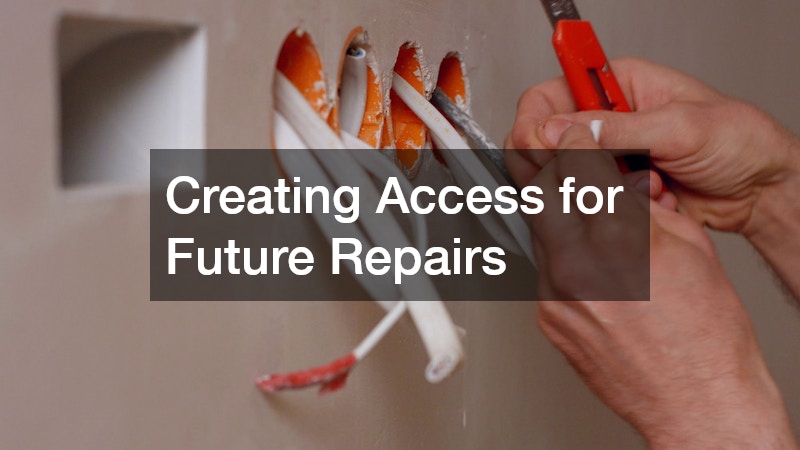
Even a carefully planned home will eventually need repairs. Parts wear out. Technology changes. Fixtures are replaced. Pipes, wires, valves, filters, and panels all need to remain reachable. One common mistake in new construction is hiding important systems behind finished surfaces without thinking about future access.
A home built for longevity should make maintenance less invasive. That does not mean leaving everything exposed. It means using access panels, utility chases, labeled shutoffs, organized mechanical areas, and sensible equipment placement.
For example, air conditioning repairs are much easier when technicians can reach the air handler, drain lines, outdoor unit, and electrical connections without cutting into walls or moving built-ins. The same principle applies to plumbing valves, attic entries, crawl space access, and electrical panels.
Some homeowners only think about access after something goes wrong. A drain pan overflows. A shutoff valve cannot be found. A technician needs to remove drywall to reach a hidden connection. These situations are frustrating because they are often preventable.
A useful exercise is to imagine the home from the perspective of someone repairing it ten years from now. Where would they stand? What would they need to remove? Could replacement equipment fit through the available path? Are shutoffs labeled clearly? Is there lighting near service areas?
Before drywall is installed, homeowners can also take photos or videos of framing, wiring, plumbing, and ductwork. These records can help later when hanging cabinets, planning remodels, or diagnosing hidden problems.
Extending Durability to Outdoor Living Spaces
Outdoor areas often receive less planning than the main structure, yet they face some of the harshest conditions. Sun, rain, soil movement, insects, standing water, foot traffic, and changing temperatures can all shorten the life of exterior features.
A long-lasting outdoor plan starts with how the space will be used. A quiet patio for morning coffee has different needs than a large entertainment area. A sloped yard requires different planning than a flat lot. A waterfront property adds another layer of complexity because structures must account for water movement, erosion, permits, and material exposure.
Dock installation, for example, should not be treated as a simple add-on. Water levels, anchoring methods, shoreline conditions, local regulations, and material selection all affect long-term performance. Hardware may need to resist corrosion. Walking surfaces should remain safe when wet. The structure should be easy to inspect and maintain.
The same durability mindset applies to decks, retaining walls, exterior stairs, garden paths, and patios. Outdoor features should be planned around drainage, movement, and maintenance. When water becomes trapped against wood, stone, concrete, or the foundation, damage often follows. When soil pushes against a poorly designed wall, cracks and leaning can appear.
Outdoor spaces last longer when they are integrated into the home’s overall plan. They should connect naturally to drainage systems, entry points, lighting, storage, and maintenance paths. A beautiful outdoor space is far more valuable when it stays safe, usable, and attractive with reasonable care.
Selecting Materials by Long-Term Value

It is easy to focus on upfront price during construction because costs appear quickly and decisions pile up. Flooring, cabinets, siding, windows, doors, fixtures, and finishes all compete for the budget. But a home built for longevity requires a different question: What will this choice cost over its full life?
A lower-cost product may be reasonable in some areas. Not every surface needs to be premium. But in places exposed to water, heat, sunlight, impact, or daily wear, choosing the cheapest option can lead to early replacement.
High-use areas deserve extra attention. Entry doors, mudroom floors, bathroom surfaces, kitchen hardware, exterior trim, and stair materials often take more abuse than homeowners expect. A delicate material may look beautiful at first but become frustrating if it stains, dents, swells, or needs constant care.
Warranty details should also be reviewed carefully. A product may advertise a long warranty but require specific installation methods, regular maintenance, or limited exposure conditions. Homeowners should ask what the warranty covers, what voids it, and whether the required maintenance is realistic.
One practical approach is to group materials by risk. Materials near water, below grade, on the exterior, or in direct sunlight are higher risk. Materials in dry, low-traffic interior spaces are lower risk. Spending more in the right places can protect the home without overwhelming the budget.
Planning Flexible Spaces for Changing Needs
A home is built at one moment in life but lived in through many different stages. A spare bedroom might become a nursery, then an office, then a guest room. A basement may begin as storage and later become finished living space. A main-level room may become important for someone who wants to avoid stairs in the future.
Flexible design helps a home remain useful without major remodeling. This does not mean every room must feel generic. It means the layout should allow for change. Wider doorways, practical bathroom placement, reachable storage, and rooms with more than one possible use can all extend the home’s functional life.
Electrical planning also supports flexibility. Modern homes need more outlets, charging areas, data connections, and lighting options than homes built decades ago. Future technology will likely require even more. Adding conduit, extra outlets, or smart wiring paths during construction is much easier than retrofitting them later.
Storage plays a major role too. Homes with poor storage can feel cramped long before they are physically too small. Built-in storage near entries, laundry areas, garages, kitchens, and bedrooms can help the home stay organized as needs change.
A flexible home does not lock the owner into one version of life. It gives the household room to adapt without tearing the structure apart.
Maintaining the Home Before Problems Grow
The planning process should include a maintenance plan before the home is finished. That may sound early, but it is one of the best ways to protect the investment. Every home needs care, and the homes that last longest are usually the ones maintained consistently.
A seasonal checklist can help homeowners stay ahead of small issues. Gutters need to be cleared. Exterior caulking should be checked. Filters must be changed. Drainage should be monitored. Attics and crawl spaces should be inspected for moisture, pests, or insulation disturbance. Small cracks, stains, or unusual sounds should be investigated before they become larger problems.
Maintenance is easier when records are organized from the beginning. Product manuals, paint colors, appliance information, warranty documents, contractor contacts, inspection reports, and photos of hidden systems should be stored in one place. A homeowner who knows what was installed and who installed it is better prepared for repairs or upgrades.
It also helps to learn the normal behavior of the home. How does it sound when systems turn on? Where does water flow during a storm? Which rooms warm up first in summer? What areas need attention after winter? Familiarity makes it easier to notice changes early.
A durable home is not maintenance-free. No home is. But a well-planned home makes maintenance more predictable, less stressful, and less expensive over time.
A lasting home should be more than attractive on move-in day. It should continue to serve the people inside it through weather, wear, changing routines, and normal maintenance. When homeowners plan with that bigger picture in mind, they give their home the strongest possible foundation for the decades ahead.
